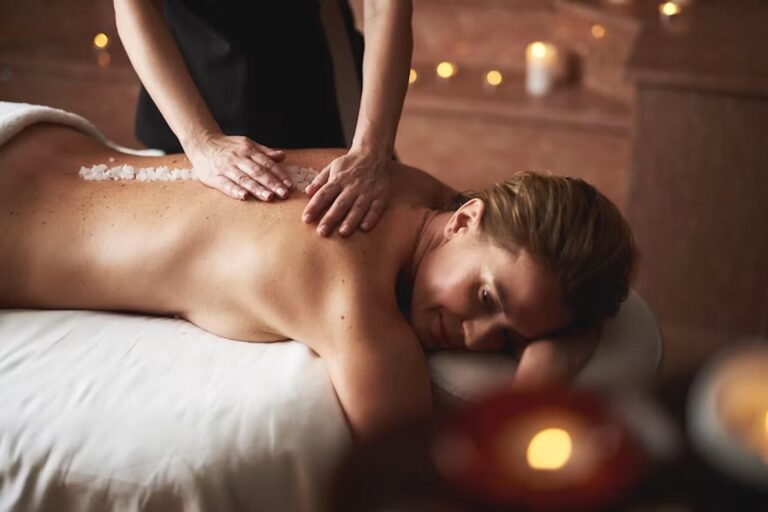
Self-care is often associated with skincare, exercise and relaxation, but personal pleasure deserves equal consideration. Taking time to understand what makes you feel comfortable, confident and satisfied is an important part of looking after yourself. It encourages a healthier relationship with your body and creates space for your individual needs.
Personal wellness also involves recognising that intimacy and pleasure are natural aspects of adult life. Retailers such as Lace and Luna reflect growing interest in intimate wellness products, including lingerie, personal lubricants and pleasure accessories. However, meaningful self-care begins with understanding your preferences rather than purchasing products or following expectations.
Understanding Pleasure as Part of Personal Wellbeing
Pleasure is not limited to physical intimacy. It can involve emotional comfort, relaxation, sensory enjoyment and feeling confident in your own body. Recognising these different experiences helps create a more balanced approach to personal wellbeing.
Many people spend considerable time meeting professional, family and social responsibilities while overlooking their personal needs. Making room for enjoyable activities can provide an opportunity to rest, reflect and reconnect with yourself.
Sexual wellbeing is another aspect of personal health. It involves understanding your body, respecting personal boundaries and making informed decisions about intimacy. There is no universal standard for how often someone should experience sexual desire or pursue intimate activities.
The important consideration is whether your choices feel comfortable, voluntary and consistent with your personal values.
Create a Relaxing Environment for Yourself
Your surroundings can influence how easily you relax. A comfortable, private environment allows you to concentrate on personal enjoyment without unnecessary interruptions.
Start by choosing a space where you feel secure. Comfortable temperatures, soft lighting and clean surroundings can make the experience more pleasant. Some people prefer gentle music, while others appreciate complete silence.
Consider setting aside time without work notifications or household distractions. This creates an opportunity to focus on your physical and emotional needs.
Privacy is especially important when exploring intimate self-care. Feeling confident that you will not be interrupted can make it easier to relax and recognise your preferences.
Develop a Better Understanding of Your Body
Body awareness is an important part of personal wellness. Understanding how your body responds to touch, movement and different sensations can help you identify what feels comfortable.
Begin by paying attention to everyday physical experiences. Notice how your body responds to relaxation, gentle stretching, massage or changes in temperature.
Personal exploration may also involve understanding intimate preferences. There is no requirement to follow a particular routine or achieve a specific outcome.
Approach these experiences without pressure. Physical responses can vary depending on stress, tiredness, medication, hormonal changes and general health.
Avoid comparing your experiences with unrealistic portrayals of intimacy. Personal satisfaction is individual, and preferences may change over time.
Introduce Simple Self-Care Rituals Into Your Routine
Building a consistent routine does not require expensive products or lengthy sessions. Small, intentional activities can help you give personal comfort greater attention.
Consider incorporating these practical self-care rituals:
- Schedule personal time: Reserve a manageable period for relaxation without competing responsibilities.
- Practise mindful breathing: Concentrate on slow, comfortable breathing to help settle your attention.
- Enjoy gentle movement: Stretching, walking or light exercise can encourage body awareness.
- Explore sensory comfort: Choose fabrics, fragrances or skincare products that feel pleasant and do not irritate your skin.
- Respect your boundaries: Avoid activities that cause discomfort or feel inconsistent with your preferences.
- Prioritise adequate rest: Allow sufficient time for sleep and recovery rather than treating relaxation as another obligation.
Consistency matters more than complexity. Choose activities that fit naturally into your lifestyle and adjust them when your circumstances change.
Make Informed Choices About Intimate Wellness Products
Some adults choose to include personal wellness accessories in their self-care routines. These may include massage products, lubricants, lingerie or intimate pleasure devices.
When considering these items, prioritise comfort, suitability and safety over appearance or marketing claims.
For intimate devices, examine the materials, intended use, cleaning instructions and manufacturer guidance. Products designed for intimate contact should have appropriate, non-porous surfaces that can be cleaned according to their instructions.
Lubricants also require careful selection. Water-based formulations are often compatible with a wide range of products, although individual ingredients and device requirements should always be checked.
Silicone-based lubricants may not be suitable for certain silicone accessories. Oil-based products can damage latex condoms, making compatibility particularly important.
Avoid using products that cause irritation, pain or unusual discomfort. Stop using the item and seek appropriate medical advice if symptoms persist.
Build Confidence Through Personal Boundaries
Putting your pleasure first does not mean disregarding other people’s feelings. It means recognising that your comfort and preferences deserve consideration.
Healthy personal boundaries involve understanding what you enjoy, identifying uncomfortable situations and communicating your needs clearly.
Within intimate relationships, open communication can help both partners understand expectations and preferences. Consent should always be freely given, informed and reversible.
You are entitled to change your mind about any activity, regardless of previous experiences or relationship expectations.
Confidence develops through self-understanding rather than meeting someone else’s definition of attractiveness or satisfaction. Choosing clothing, activities and personal routines according to your preferences can support a more comfortable relationship with your body.
Recognise When Additional Support May Help
Self-care can support wellbeing, but it cannot replace professional assessment when physical or emotional concerns arise.
Persistent pain during intimacy, recurring irritation, unexpected bleeding or significant changes in sexual functioning should be discussed with an appropriate healthcare professional.
A GP or sexual health clinician can assess symptoms, discuss possible causes and recommend suitable care.
Emotional concerns also deserve attention. Persistent anxiety, distress about body image or difficulties surrounding intimacy may benefit from support from a qualified counsellor or psychosexual therapist.
Seeking professional guidance is a practical health decision, particularly when concerns interfere with daily life or personal relationships.
Key Takeaways
Putting your own pleasure first begins with recognising your needs and making thoughtful choices about personal wellbeing. Comfortable surroundings, body awareness, healthy boundaries and informed product decisions can all contribute to a more satisfying self-care routine. The aim is not to follow a prescribed approach but to identify what genuinely supports your comfort and confidence.
Start with manageable changes that fit your circumstances. Set aside uninterrupted personal time, pay attention to your body’s responses and avoid unnecessary pressure to achieve particular results. Review your preferences as they change, and seek professional advice whenever physical discomfort or emotional concerns require additional support.