Older properties carry character, charm, and unique heating challenges. Electric heating is often considered a modern fix for historic homes, but is it always the right choice? This article examines the practical advantages and limitations of electric radiators in older buildings, helping homeowners make informed, balanced decisions.
Older properties were built long before modern heating systems became standard. As a result, upgrading heating often involves compromises between comfort, efficiency, and structural preservation. Electric radiators are increasingly chosen as an alternative to traditional systems, particularly where major alterations are not practical. However, their suitability depends on several important factors.
Before deciding, it is essential to understand how electric heating interacts with the fabric, layout, and energy profile of older homes.
How Electric Heating Functions in Traditional Properties
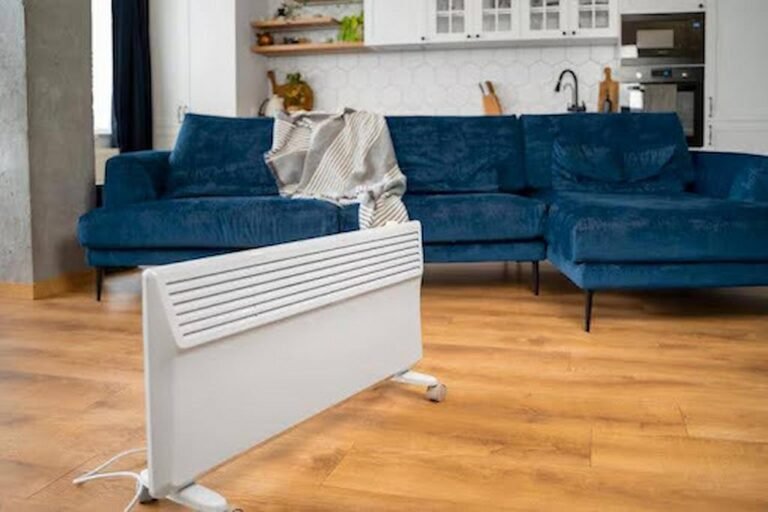
Electric heating works by converting electricity directly into heat at the point of use. Unlike gas systems, it does not rely on pipework, boilers, or stored hot water. This makes installation simpler in many cases, especially where existing systems are outdated or absent. In this context, electric panel radiators are often considered because they integrate easily into existing rooms without structural changes.
In many older buildings, preserving original details is a priority. Electric heating can offer a less invasive way to introduce warmth without compromising heritage features.
Why Homeowners Consider Electric Options
One of the main reasons electric systems are explored is flexibility. They can be installed room by room, allowing gradual upgrades rather than a full renovation. This staged approach suits properties where budgets, access, or listed status limit large-scale work. For many homeowners, electric panel radiators provide a practical solution that aligns with these constraints.
They also operate independently, which means unused rooms do not need to be heated unnecessarily. This level of control is particularly valuable in large or irregularly shaped older homes.
Advantages of Electric Radiators in Older Properties
Electric radiators offer several clear benefits when used in traditional housing stock. Their strengths often relate to ease of installation and operational simplicity, particularly in buildings where conventional heating systems are difficult to maintain.
Key advantages include:
- No need for pipework, boilers, or flues
- Straightforward installation with minimal structural impact
- Individual room temperature control
- Quiet operation with no moving parts
These features make electric systems appealing where existing heating is inefficient or unreliable.
Reduced Installation Disruption
Older properties often have solid walls, narrow cavities, and fragile finishes. Installing pipework can involve lifting floors or chasing walls, which may not be desirable or even permitted. Electric panel radiators usually require only a suitable electrical supply, avoiding major building work and reducing the risk of damage.
This approach helps maintain the integrity of original materials and reduces installation time.
Zoned Heating Control
Electric systems allow each room to be heated independently. This is particularly useful in older homes with uneven heat retention. Rooms exposed to drafts or thick stone walls can be heated as needed, rather than relying on a single central thermostat. When paired with electric panel radiators, this zoned approach supports consistent comfort without unnecessary energy use.
Limitations to Consider Carefully
Despite their benefits, electric radiators are not without drawbacks. Understanding these limitations is essential before committing to an electric-only solution, especially in older properties where energy efficiency may already be compromised.
The most common concerns include:
- Higher running costs compared to gas
- Dependence on electricity supply stability
- Performance influenced by insulation quality
These factors can significantly affect long-term satisfaction.
Running Cost Considerations
Electricity is typically more expensive per unit than gas. In older properties with poor insulation, heat loss can be substantial. This means electric systems may need to work harder to maintain comfortable temperatures, increasing energy bills over time. Even with modern electric panel radiators, ongoing costs should be carefully evaluated.
Without insulation upgrades, running costs can outweigh installation savings.
Insulation and Heat Retention Challenges
Many period homes were not designed to retain heat efficiently. Single-glazed windows, solid walls, and high ceilings all contribute to heat loss. Electric radiators produce heat effectively, but they cannot compensate for structural inefficiencies on their own.
Addressing draughts and improving insulation is often necessary to achieve acceptable performance.
Electrical Capacity and Safety Factors
Older properties may have outdated electrical systems that were not designed to support modern heating loads. Before installing electric radiators, the electrical infrastructure must be assessed carefully to ensure it can safely handle the demand.
Upgrading wiring or consumer units may be required, which should be factored into overall planning.
Suitability for Different Types of Older Homes
Not all older properties face the same challenges. Smaller cottages, converted flats, and homes with partial modernisation may be better suited to electric heating than large, detached period houses.
Electric systems often work best where heating demand is moderate and usage can be carefully managed.
Environmental and Energy Considerations
Electric heating can align with lower-carbon goals, particularly as electricity generation becomes greener. However, environmental benefits depend on how electricity is sourced and how efficiently heat is retained within the building.
In older homes, reducing heat loss remains essential.
Making an Informed Decision
Choosing electric radiators for an older property requires careful evaluation rather than a one-size-fits-all approach. Installation ease and control benefits must be weighed against running costs and building limitations.
A property-specific assessment helps ensure realistic expectations.
Final Thoughts
Electric radiators can be a practical solution for many older properties, especially where traditional systems are difficult to install. Their simplicity and flexibility are clear strengths. However, costs and insulation challenges must be considered carefully. A balanced, informed approach leads to the best long-term outcome.